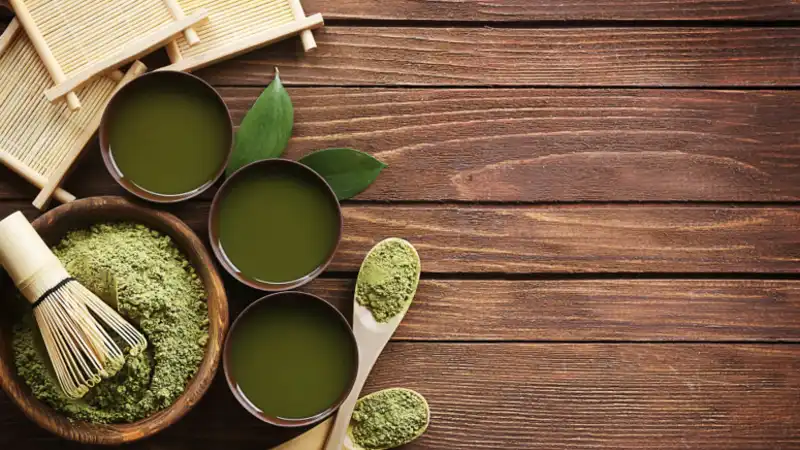
Matcha snuck up on a lot of us. One day it’s a café thing; the next it’s sitting on the counter beside the cold brew jug, the herbal teas nobody finishes, and the sad remains of your smoothie era. If that’s your kitchen, good news: there’s room for it. This bright green powder has quietly worked its way into homes all over Australia. It bends to whatever you’re making, the benefits are real, and it tends to reward the people who bother to fuss over it.
What Is Matcha and Why Should You Care?
Matcha is finely milled green tea powder. It comes from Japan, where it’s anchored tea ceremonies for hundreds of years. The trick that sets it apart is almost embarrassingly simple. Regular green tea steeps its leaves, then those leaves go in the bin. Matcha keeps the leaf. You grind it, you drink it, all of it – which hands you a much stronger version of everything green tea was already good for.
Now the nutrition, because that’s where matcha stops being a novelty. It’s loaded with antioxidants called catechins. It also carries L-theanine, an amino acid that has a knack for settling you into a calm, alert sort of headspace. There’s caffeine too, usually less than a coffee. Together they give you an energy that’s steady and clear-headed, and mercifully free of that 3pm crash coffee likes to spring on you.
So if pottering around the kitchen is your idea of a good time, matcha earns a proper look. It levels out your energy through the day, sharpens your focus, and might give your metabolism a small nudge. But quality does the heavy lifting here – cheap tins will let you down. Reach for a stone-ground organic matcha powder. It keeps the nutrients intact and tastes far smoother, without that harsh bitterness.
Simple Daily Matcha Recipes
Start with the latte. It’s the gentlest way in. Sift a teaspoon into a bowl, splash in some hot water (not boiling – you’ll scorch it), and whisk quickly in a zigzag until foam builds. Pour that over steamed milk. Café order, no shoes, no queue.
Breakfast? A matcha smoothie bowl is hard to argue with. Blend the powder with a frozen banana, a fistful of spinach, and a bit of coconut milk until thick, then bury it under granola, berries, and seeds. It photographs well, sure, but it’ll also genuinely get you through to lunch.
Off dairy? Matcha doesn’t mind. Oat, almond, macadamia – take your pick. Oat’s our favourite; the natural sweetness rounds off that grassy edge. And when a sweet craving lands, matcha energy balls made from dates, almonds, and a spoon of matcha will handle it without dumping you an hour later.
Building a Matcha Routine That Sticks
Timing matters more than people think. There’s caffeine in matcha, so morning or early afternoon is your window. You get the focus and the steady lift, and your sleep stays out of it.
Weaning off coffee? Don’t go cold turkey. Trade one coffee a day for a matcha latte, then let your taste buds catch up to that grassy, faintly sweet flavour before you push further. Already a tea drinker? You’ll barely register the switch – same ritual, better payoff.
The real secret to making it stick: treat it as a ritual, not a chore. Carve out a few quiet minutes and whisk it by hand. Play around with the seasons, too – cinnamon when it turns cold, fresh mint through the heat. The more it feels like yours, the longer it lasts.
Your Next Cup Awaits
Matcha isn’t a fad in a green costume. It’s a flexible, genuinely tasty ingredient for anyone who likes to experiment. Whisk a latte, blend a bowl, or wander off-recipe entirely. Grab a bowl, a whisk, whatever milk’s in the fridge, and see where it goes!