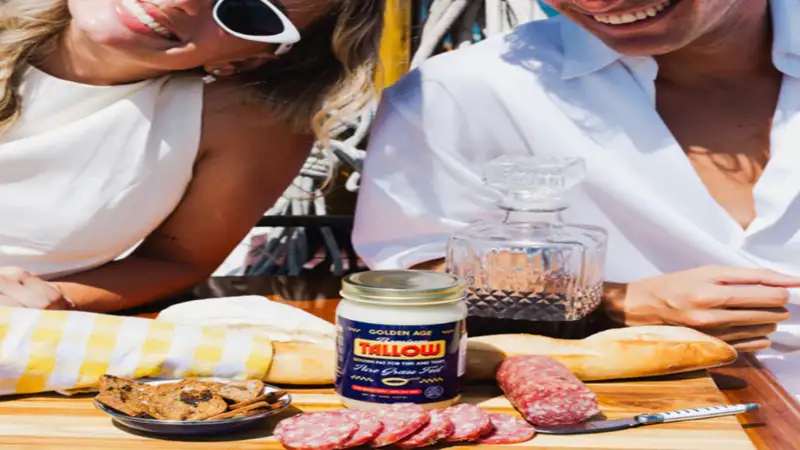
After decades of being dismissed as old-fashioned, grass-fed beef tallow is reclaiming its place in kitchens focused on sustainability and nutrition. This rendered fat from pasture-raised cattle offers a compelling alternative to industrial seed oils—one that aligns with both traditional foodways and modern environmental concerns.
The shift reflects broader changes in how people think about cooking fats. As research challenges long-held assumptions about saturated fat and as consumers grow wary of ultra-processed ingredients, tallow’s nutritional density and minimal processing have become assets rather than liabilities. What follows is an examination of why this ancestral fat deserves consideration, from its nutrient composition to its practical applications in both cooking and skincare.
What Sets Grass Fed Beef Tallow Apart
Grass fed beef tallow comes from rendering the fat of cattle raised exclusively on pasture. The rendering process—slow heating to separate pure fat from tissue—produces a shelf-stable cooking fat with a high smoke point and distinctive flavor profile.
The nutritional composition differs meaningfully from grain-fed alternatives. Pasture-raised cattle produce fat with higher concentrations of conjugated linoleic acid (CLA) and omega-3 fatty acids, compounds associated with reduced inflammation and improved metabolic health. Dietary fats play essential roles in hormone production, nutrient absorption, and cellular function—making fat quality, not just quantity, a relevant consideration.
Compared to commonly used cooking oils, grass fed beef tallow offers several practical advantages:
- Heat Stability: With a smoke point around 400°F, it withstands high-heat cooking methods without oxidizing or producing harmful compounds
- Flavor Contribution: Adds savory depth to roasted vegetables, fried potatoes, and seared proteins
- Minimal Processing: Requires only heat to render, unlike seed oils that undergo chemical extraction and deodorization
- Long Shelf Life: Saturated fat structure resists rancidity, remaining stable at room temperature for months
The growing interest in traditional fats reflects what food historians have documented for years: these ingredients sustained populations long before industrial food processing became the norm.
Tallow’s Role in Culinary History
Before the mid-20th century industrialization of vegetable oils, animal fats formed the backbone of cooking across cultures. Tallow specifically served multiple purposes—from preserving meat to providing portable nutrition in the form of pemmican, a concentrated mixture of dried meat, fat, and sometimes berries that sustained Indigenous peoples and early explorers through harsh conditions.
In European kitchens, tallow was prized for creating flaky pastries and achieving the crisp exterior on fried foods that butter alone couldn’t deliver. The fat’s high smoke point made it indispensable for techniques requiring sustained high heat. As traditional cooking methods demonstrate, these fats weren’t simply convenient—they were nutritionally strategic choices in food systems built around whole-animal utilization.
The shift away from animal fats in the latter half of the 20th century had more to do with industrial economics and marketing than with nutritional science. Seed oils could be produced cheaply at scale, and their promotion coincided with dietary guidelines that have since been reconsidered. The current resurgence of interest in tallow represents both a return to ancestral practices and an application of newer research on fat metabolism.
Nutritional Profile and Health Considerations
Grass fed beef tallow contains approximately 50% saturated fat, 42% monounsaturated fat, and small amounts of polyunsaturated fats. This composition makes it remarkably stable when heated, unlike oils high in polyunsaturated fats that oxidize readily and form potentially harmful compounds during cooking.
The fat-soluble vitamins present in tallow—A, D, E, and K—require dietary fat for absorption, making tallow a self-contained delivery system for these nutrients. Vitamin K2, particularly abundant in grass fed animal fats, plays a role in calcium metabolism and cardiovascular health that researchers are still working to fully understand.
Key nutritional attributes include:
- Conjugated Linoleic Acid (CLA): Found in higher concentrations in grass fed sources, this fatty acid has been studied for its potential effects on body composition and immune function
- Balanced Omega Ratios: Grass fed tallow contains a more favorable omega-6 to omega-3 ratio compared to grain-fed alternatives, potentially supporting reduced inflammation
- Stearic Acid: A saturated fat that research suggests has neutral or potentially beneficial effects on cholesterol levels
- Palmitoleic Acid: An omega-7 fatty acid with emerging research around metabolic health
The relationship between dietary fat and health outcomes is more nuanced than previously understood, with factors like processing methods, overall diet quality, and individual metabolism all playing significant roles.
The Economics and Environmental Case for Buying in Bulk
Purchasing grass fed tallow in larger quantities addresses both practical and environmental concerns. The economics are straightforward: bulk pricing typically reduces cost per pound by 20-40%, making regular use more accessible for households committed to quality cooking fats.
The environmental argument is equally compelling:
- Reduced Packaging: One five-pound container generates less waste than five one-pound jars, decreasing both plastic use and transportation emissions per unit
- Fewer Shopping Trips: Maintaining a larger supply reduces the frequency of purchases, lowering the carbon footprint associated with transportation
- Whole-Animal Utilization: Using tallow supports regenerative agriculture models that value every part of the animal, reducing waste in the meat production system
Proper storage extends shelf life considerably. Tallow remains stable at room temperature in a sealed container away from light and heat for several months. For longer storage, refrigeration extends viability to a year or more, while freezing in portioned amounts allows for multi-year storage without quality degradation. The key is minimizing exposure to oxygen, light, and heat—the primary factors that cause fat oxidation.
Why Organic Certification Matters
The organic designation for grass fed beef tallow carries specific implications beyond marketing. Certified organic production prohibits synthetic pesticides, herbicides, and fertilizers on pastureland, reducing the chemical load that can accumulate in animal fat. Since many environmental contaminants are lipophilic—meaning they concentrate in fatty tissue—the quality of pasture directly affects the purity of rendered fat.
Organic standards also mandate:
- No Routine Antibiotics: Animals receive antibiotics only when medically necessary, not as growth promoters
- No Synthetic Hormones: Growth hormones are prohibited, allowing natural development patterns
- Pasture Access Requirements: Animals must have genuine access to outdoor pasture during the grazing season, not just theoretical access
- Soil Health Practices: Organic certification requires practices that build soil organic matter and support biodiversity
From an environmental perspective, organic pasture management typically supports greater carbon sequestration than conventional systems. Well-managed grasslands can capture atmospheric carbon in soil, potentially offsetting some emissions from ruminant digestion—though the net climate impact remains an area of active research and debate.
Since many environmental contaminants are lipophilic—meaning they concentrate in fatty tissue—the quality of pasture directly affects the purity of rendered fat. For consumers prioritizing purity, brands like Golden Age Fats, Epic Provisions, and Fatworks source from certified organic pastures, making certification a meaningful quality signal rather than just a label.
Tallow in Skincare: Beyond the Kitchen
The same properties that make grass fed tallow valuable in cooking—its fatty acid composition and fat-soluble vitamins—translate surprisingly well to skincare applications. The fat’s structure closely resembles human sebum, the skin’s natural moisturizing layer, which may explain its compatibility and absorption.
Dermatological interest in tallow stems from several factors:
- Fatty Acid Profile: The balance of saturated and monounsaturated fats mirrors the lipid composition of healthy skin, potentially supporting barrier function.
- Vitamin Content: Fat-soluble vitamins A, D, E, and K contribute to skin repair and protection against oxidative stress.
- Bioavailability: Research published in the National Institutes of Health database suggests that tallow’s molecular structure allows for effective penetration without leaving heavy residue.
- Anti-Inflammatory Properties: CLA and other compounds may help reduce skin inflammation, though more research is needed.
Practical applications range from simple use as a body moisturizer to incorporation in homemade balms, salves, and soap. The lack of added fragrances, preservatives, and emulsifiers appeals to those with sensitive skin or concerns about synthetic ingredients in conventional skincare products.
That said, individual responses vary. Those with acne-prone skin should patch test, as the comedogenic potential differs by skin type. The mild beef scent, while minimal in properly rendered tallow, may require adjustment for some users.
Practical Cooking Applications
Incorporating grass fed beef tallow into regular cooking requires understanding where its properties shine. The high smoke point makes it particularly suited for techniques that benefit from sustained high heat and the development of flavorful crusts.
Optimal cooking methods include:
- Roasting: Toss root vegetables or Brussels sprouts with melted tallow before roasting at 425°F for caramelized exteriors and tender interiors
- Pan-Searing: Heat a cast-iron skillet with tallow for steaks or pork chops, achieving restaurant-quality crust development
- Deep-Frying: Use for French fries or fried chicken, where the fat’s stability prevents breakdown and off-flavors during extended frying
- Sautéing: Replace butter or oil when cooking onions, mushrooms, or other vegetables that benefit from rich, savory notes
Simple recipes to start:
- Classic Beef Tallow Fries: Cut russet potatoes into uniform strips, rinse and dry thoroughly. Heat tallow to 325°F and blanch fries for 5 minutes. Remove, let cool, then fry again at 375°F until golden and crisp. Season immediately with salt.
- Roasted Root Vegetables: Cube carrots, parsnips, and turnips. Toss with melted tallow, fresh thyme, salt, and pepper. Roast at 400°F for 35-40 minutes, stirring halfway through.
- Pan-Seared Ribeye: Pat steak dry and season generously with salt. Heat tallow in a heavy skillet over medium-high heat until shimmering. Sear steak 3-4 minutes per side for medium-rare, basting with the rendered fat.
Storage after opening remains straightforward: keep tallow in a sealed container away from light and heat. A small amount at room temperature in a frequently used container works for daily cooking, while the bulk supply stays refrigerated or frozen.
Evaluating Quality and Sourcing
Not all grass fed beef tallow offers the same quality. Several factors distinguish superior products from mediocre alternatives:
- Rendering Method: Traditional wet rendering or careful dry rendering at controlled temperatures preserves nutrients better than high-heat industrial processing
- Color and Texture: High-quality tallow appears white to cream-colored when solid, with a smooth texture free of graininess
- Scent: Should have a mild, clean beef aroma—not rancid or overly strong odors that indicate oxidation or poor handling
- Source Transparency: Reputable producers provide information about cattle diet, pasture management, and rendering practices
When evaluating suppliers, look for those who can answer specific questions about their sourcing and processing. Vague marketing language about “premium quality” matters less than concrete details about pasture practices, finishing protocols, and rendering temperatures.
The price differential between conventional and grass fed organic tallow reflects real differences in production costs. Pasture-based systems require more land and time than feedlot operations, and organic certification adds administrative and compliance expenses. For those prioritizing nutrient density and environmental impact, the premium often represents a worthwhile investment in food quality.
Looking for more related Information